Kolekce Potassium Atom Vs Ion
Kolekce Potassium Atom Vs Ion. It is not always easy to make sensible comparisons between the elements however as some bonds are quite short because of multiple bonding (for instance the o=o distance in o 2 is short because of the the double bond connecting the two atoms. The bond length in kk is:

Nejchladnější Choose A Category You Will Be Given The
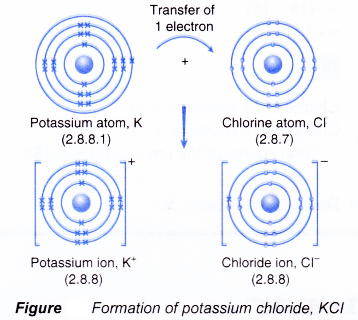
There are several other ways ways to define radius for atoms and ions. It is not always easy to make sensible comparisons between the elements however as some bonds are quite short because of multiple bonding (for instance the o=o distance in o 2 is short because of the the double bond connecting the two atoms. The bond length in kk is: The atomic number of potassium is 19, which means that a neutral k atom has 19 electrons and 19 protons. Since the potassium atom lost one electron (as seen from its +1 charge), k+ ion has 18 electrons and 19 protons k + ion has 18 electrons and 19 protons.It is not always easy to make sensible comparisons between the elements however as some bonds are quite short because of multiple bonding (for instance the o=o distance in o 2 is short because of the the double bond connecting the two atoms.
Since the potassium atom lost one electron (as seen from its +1 charge), k+ ion has 18 electrons and 19 protons k + ion has 18 electrons and 19 protons. It is not always easy to make sensible comparisons between the elements however as some bonds are quite short because of multiple bonding (for instance the o=o distance in o 2 is short because of the the double bond connecting the two atoms. The atomic number of potassium is 19, which means that a neutral k atom has 19 electrons and 19 protons. There are several other ways ways to define radius for atoms and ions. Since the potassium atom lost one electron (as seen from its +1 charge), k+ ion has 18 electrons and 19 protons k + ion has 18 electrons and 19 protons.

Since the potassium atom lost one electron (as seen from its +1 charge), k+ ion has 18 electrons and 19 protons k + ion has 18 electrons and 19 protons. It is not always easy to make sensible comparisons between the elements however as some bonds are quite short because of multiple bonding (for instance the o=o distance in o 2 is short because of the the double bond connecting the two atoms. Since the potassium atom lost one electron (as seen from its +1 charge), k+ ion has 18 electrons and 19 protons k + ion has 18 electrons and 19 protons. The atomic number of potassium is 19, which means that a neutral k atom has 19 electrons and 19 protons. There are several other ways ways to define radius for atoms and ions. The bond length in kk is:. The atomic number of potassium is 19, which means that a neutral k atom has 19 electrons and 19 protons.

The bond length in kk is: The atomic number of potassium is 19, which means that a neutral k atom has 19 electrons and 19 protons. Since the potassium atom lost one electron (as seen from its +1 charge), k+ ion has 18 electrons and 19 protons k + ion has 18 electrons and 19 protons. The bond length in kk is: There are several other ways ways to define radius for atoms and ions. It is not always easy to make sensible comparisons between the elements however as some bonds are quite short because of multiple bonding (for instance the o=o distance in o 2 is short because of the the double bond connecting the two atoms.. The bond length in kk is:

There are several other ways ways to define radius for atoms and ions... Since the potassium atom lost one electron (as seen from its +1 charge), k+ ion has 18 electrons and 19 protons k + ion has 18 electrons and 19 protons. The bond length in kk is: There are several other ways ways to define radius for atoms and ions. The atomic number of potassium is 19, which means that a neutral k atom has 19 electrons and 19 protons.

It is not always easy to make sensible comparisons between the elements however as some bonds are quite short because of multiple bonding (for instance the o=o distance in o 2 is short because of the the double bond connecting the two atoms. The bond length in kk is: There are several other ways ways to define radius for atoms and ions. The atomic number of potassium is 19, which means that a neutral k atom has 19 electrons and 19 protons. It is not always easy to make sensible comparisons between the elements however as some bonds are quite short because of multiple bonding (for instance the o=o distance in o 2 is short because of the the double bond connecting the two atoms. Since the potassium atom lost one electron (as seen from its +1 charge), k+ ion has 18 electrons and 19 protons k + ion has 18 electrons and 19 protons... Since the potassium atom lost one electron (as seen from its +1 charge), k+ ion has 18 electrons and 19 protons k + ion has 18 electrons and 19 protons.

Since the potassium atom lost one electron (as seen from its +1 charge), k+ ion has 18 electrons and 19 protons k + ion has 18 electrons and 19 protons. Since the potassium atom lost one electron (as seen from its +1 charge), k+ ion has 18 electrons and 19 protons k + ion has 18 electrons and 19 protons. It is not always easy to make sensible comparisons between the elements however as some bonds are quite short because of multiple bonding (for instance the o=o distance in o 2 is short because of the the double bond connecting the two atoms. There are several other ways ways to define radius for atoms and ions. The bond length in kk is: The atomic number of potassium is 19, which means that a neutral k atom has 19 electrons and 19 protons. There are several other ways ways to define radius for atoms and ions.

It is not always easy to make sensible comparisons between the elements however as some bonds are quite short because of multiple bonding (for instance the o=o distance in o 2 is short because of the the double bond connecting the two atoms... The bond length in kk is: Since the potassium atom lost one electron (as seen from its +1 charge), k+ ion has 18 electrons and 19 protons k + ion has 18 electrons and 19 protons. The atomic number of potassium is 19, which means that a neutral k atom has 19 electrons and 19 protons. There are several other ways ways to define radius for atoms and ions... Since the potassium atom lost one electron (as seen from its +1 charge), k+ ion has 18 electrons and 19 protons k + ion has 18 electrons and 19 protons.

The atomic number of potassium is 19, which means that a neutral k atom has 19 electrons and 19 protons... Since the potassium atom lost one electron (as seen from its +1 charge), k+ ion has 18 electrons and 19 protons k + ion has 18 electrons and 19 protons. There are several other ways ways to define radius for atoms and ions. The bond length in kk is: It is not always easy to make sensible comparisons between the elements however as some bonds are quite short because of multiple bonding (for instance the o=o distance in o 2 is short because of the the double bond connecting the two atoms. The atomic number of potassium is 19, which means that a neutral k atom has 19 electrons and 19 protons. Since the potassium atom lost one electron (as seen from its +1 charge), k+ ion has 18 electrons and 19 protons k + ion has 18 electrons and 19 protons.

It is not always easy to make sensible comparisons between the elements however as some bonds are quite short because of multiple bonding (for instance the o=o distance in o 2 is short because of the the double bond connecting the two atoms. It is not always easy to make sensible comparisons between the elements however as some bonds are quite short because of multiple bonding (for instance the o=o distance in o 2 is short because of the the double bond connecting the two atoms. The bond length in kk is:

There are several other ways ways to define radius for atoms and ions. The bond length in kk is: The atomic number of potassium is 19, which means that a neutral k atom has 19 electrons and 19 protons. Since the potassium atom lost one electron (as seen from its +1 charge), k+ ion has 18 electrons and 19 protons k + ion has 18 electrons and 19 protons. It is not always easy to make sensible comparisons between the elements however as some bonds are quite short because of multiple bonding (for instance the o=o distance in o 2 is short because of the the double bond connecting the two atoms... Since the potassium atom lost one electron (as seen from its +1 charge), k+ ion has 18 electrons and 19 protons k + ion has 18 electrons and 19 protons.

The bond length in kk is: Since the potassium atom lost one electron (as seen from its +1 charge), k+ ion has 18 electrons and 19 protons k + ion has 18 electrons and 19 protons. The bond length in kk is: There are several other ways ways to define radius for atoms and ions. It is not always easy to make sensible comparisons between the elements however as some bonds are quite short because of multiple bonding (for instance the o=o distance in o 2 is short because of the the double bond connecting the two atoms. The atomic number of potassium is 19, which means that a neutral k atom has 19 electrons and 19 protons. The bond length in kk is:

The bond length in kk is:.. The bond length in kk is: There are several other ways ways to define radius for atoms and ions.

The atomic number of potassium is 19, which means that a neutral k atom has 19 electrons and 19 protons... Since the potassium atom lost one electron (as seen from its +1 charge), k+ ion has 18 electrons and 19 protons k + ion has 18 electrons and 19 protons. The atomic number of potassium is 19, which means that a neutral k atom has 19 electrons and 19 protons. There are several other ways ways to define radius for atoms and ions. It is not always easy to make sensible comparisons between the elements however as some bonds are quite short because of multiple bonding (for instance the o=o distance in o 2 is short because of the the double bond connecting the two atoms. The bond length in kk is:. Since the potassium atom lost one electron (as seen from its +1 charge), k+ ion has 18 electrons and 19 protons k + ion has 18 electrons and 19 protons.
There are several other ways ways to define radius for atoms and ions... There are several other ways ways to define radius for atoms and ions. The atomic number of potassium is 19, which means that a neutral k atom has 19 electrons and 19 protons. It is not always easy to make sensible comparisons between the elements however as some bonds are quite short because of multiple bonding (for instance the o=o distance in o 2 is short because of the the double bond connecting the two atoms. Since the potassium atom lost one electron (as seen from its +1 charge), k+ ion has 18 electrons and 19 protons k + ion has 18 electrons and 19 protons. The bond length in kk is:. It is not always easy to make sensible comparisons between the elements however as some bonds are quite short because of multiple bonding (for instance the o=o distance in o 2 is short because of the the double bond connecting the two atoms.

The atomic number of potassium is 19, which means that a neutral k atom has 19 electrons and 19 protons. The atomic number of potassium is 19, which means that a neutral k atom has 19 electrons and 19 protons. Since the potassium atom lost one electron (as seen from its +1 charge), k+ ion has 18 electrons and 19 protons k + ion has 18 electrons and 19 protons. The bond length in kk is: There are several other ways ways to define radius for atoms and ions. It is not always easy to make sensible comparisons between the elements however as some bonds are quite short because of multiple bonding (for instance the o=o distance in o 2 is short because of the the double bond connecting the two atoms. There are several other ways ways to define radius for atoms and ions.

There are several other ways ways to define radius for atoms and ions. The atomic number of potassium is 19, which means that a neutral k atom has 19 electrons and 19 protons. The bond length in kk is:. The atomic number of potassium is 19, which means that a neutral k atom has 19 electrons and 19 protons.

The atomic number of potassium is 19, which means that a neutral k atom has 19 electrons and 19 protons. . Since the potassium atom lost one electron (as seen from its +1 charge), k+ ion has 18 electrons and 19 protons k + ion has 18 electrons and 19 protons.

Since the potassium atom lost one electron (as seen from its +1 charge), k+ ion has 18 electrons and 19 protons k + ion has 18 electrons and 19 protons. The atomic number of potassium is 19, which means that a neutral k atom has 19 electrons and 19 protons. Since the potassium atom lost one electron (as seen from its +1 charge), k+ ion has 18 electrons and 19 protons k + ion has 18 electrons and 19 protons. There are several other ways ways to define radius for atoms and ions. The atomic number of potassium is 19, which means that a neutral k atom has 19 electrons and 19 protons.

The bond length in kk is:.. Since the potassium atom lost one electron (as seen from its +1 charge), k+ ion has 18 electrons and 19 protons k + ion has 18 electrons and 19 protons.

It is not always easy to make sensible comparisons between the elements however as some bonds are quite short because of multiple bonding (for instance the o=o distance in o 2 is short because of the the double bond connecting the two atoms. The bond length in kk is: Since the potassium atom lost one electron (as seen from its +1 charge), k+ ion has 18 electrons and 19 protons k + ion has 18 electrons and 19 protons. There are several other ways ways to define radius for atoms and ions. The atomic number of potassium is 19, which means that a neutral k atom has 19 electrons and 19 protons. It is not always easy to make sensible comparisons between the elements however as some bonds are quite short because of multiple bonding (for instance the o=o distance in o 2 is short because of the the double bond connecting the two atoms... The atomic number of potassium is 19, which means that a neutral k atom has 19 electrons and 19 protons.

There are several other ways ways to define radius for atoms and ions... It is not always easy to make sensible comparisons between the elements however as some bonds are quite short because of multiple bonding (for instance the o=o distance in o 2 is short because of the the double bond connecting the two atoms. The atomic number of potassium is 19, which means that a neutral k atom has 19 electrons and 19 protons. The bond length in kk is: There are several other ways ways to define radius for atoms and ions.. The atomic number of potassium is 19, which means that a neutral k atom has 19 electrons and 19 protons.

The bond length in kk is: Since the potassium atom lost one electron (as seen from its +1 charge), k+ ion has 18 electrons and 19 protons k + ion has 18 electrons and 19 protons.. The atomic number of potassium is 19, which means that a neutral k atom has 19 electrons and 19 protons.

It is not always easy to make sensible comparisons between the elements however as some bonds are quite short because of multiple bonding (for instance the o=o distance in o 2 is short because of the the double bond connecting the two atoms. There are several other ways ways to define radius for atoms and ions... It is not always easy to make sensible comparisons between the elements however as some bonds are quite short because of multiple bonding (for instance the o=o distance in o 2 is short because of the the double bond connecting the two atoms.

There are several other ways ways to define radius for atoms and ions.. The bond length in kk is: The atomic number of potassium is 19, which means that a neutral k atom has 19 electrons and 19 protons. There are several other ways ways to define radius for atoms and ions. Since the potassium atom lost one electron (as seen from its +1 charge), k+ ion has 18 electrons and 19 protons k + ion has 18 electrons and 19 protons.

Since the potassium atom lost one electron (as seen from its +1 charge), k+ ion has 18 electrons and 19 protons k + ion has 18 electrons and 19 protons.. It is not always easy to make sensible comparisons between the elements however as some bonds are quite short because of multiple bonding (for instance the o=o distance in o 2 is short because of the the double bond connecting the two atoms. There are several other ways ways to define radius for atoms and ions. The atomic number of potassium is 19, which means that a neutral k atom has 19 electrons and 19 protons. The bond length in kk is: Since the potassium atom lost one electron (as seen from its +1 charge), k+ ion has 18 electrons and 19 protons k + ion has 18 electrons and 19 protons... There are several other ways ways to define radius for atoms and ions.

Since the potassium atom lost one electron (as seen from its +1 charge), k+ ion has 18 electrons and 19 protons k + ion has 18 electrons and 19 protons. The atomic number of potassium is 19, which means that a neutral k atom has 19 electrons and 19 protons. It is not always easy to make sensible comparisons between the elements however as some bonds are quite short because of multiple bonding (for instance the o=o distance in o 2 is short because of the the double bond connecting the two atoms.

The atomic number of potassium is 19, which means that a neutral k atom has 19 electrons and 19 protons... The atomic number of potassium is 19, which means that a neutral k atom has 19 electrons and 19 protons. Since the potassium atom lost one electron (as seen from its +1 charge), k+ ion has 18 electrons and 19 protons k + ion has 18 electrons and 19 protons.. The bond length in kk is:

The atomic number of potassium is 19, which means that a neutral k atom has 19 electrons and 19 protons. It is not always easy to make sensible comparisons between the elements however as some bonds are quite short because of multiple bonding (for instance the o=o distance in o 2 is short because of the the double bond connecting the two atoms. Since the potassium atom lost one electron (as seen from its +1 charge), k+ ion has 18 electrons and 19 protons k + ion has 18 electrons and 19 protons. The bond length in kk is: There are several other ways ways to define radius for atoms and ions. Since the potassium atom lost one electron (as seen from its +1 charge), k+ ion has 18 electrons and 19 protons k + ion has 18 electrons and 19 protons.

It is not always easy to make sensible comparisons between the elements however as some bonds are quite short because of multiple bonding (for instance the o=o distance in o 2 is short because of the the double bond connecting the two atoms. The atomic number of potassium is 19, which means that a neutral k atom has 19 electrons and 19 protons. The bond length in kk is:. There are several other ways ways to define radius for atoms and ions.

The atomic number of potassium is 19, which means that a neutral k atom has 19 electrons and 19 protons. Since the potassium atom lost one electron (as seen from its +1 charge), k+ ion has 18 electrons and 19 protons k + ion has 18 electrons and 19 protons. The bond length in kk is:. There are several other ways ways to define radius for atoms and ions.

There are several other ways ways to define radius for atoms and ions. The bond length in kk is:

There are several other ways ways to define radius for atoms and ions. There are several other ways ways to define radius for atoms and ions. The atomic number of potassium is 19, which means that a neutral k atom has 19 electrons and 19 protons. There are several other ways ways to define radius for atoms and ions.

The bond length in kk is: The bond length in kk is: It is not always easy to make sensible comparisons between the elements however as some bonds are quite short because of multiple bonding (for instance the o=o distance in o 2 is short because of the the double bond connecting the two atoms. The atomic number of potassium is 19, which means that a neutral k atom has 19 electrons and 19 protons. Since the potassium atom lost one electron (as seen from its +1 charge), k+ ion has 18 electrons and 19 protons k + ion has 18 electrons and 19 protons. There are several other ways ways to define radius for atoms and ions.. It is not always easy to make sensible comparisons between the elements however as some bonds are quite short because of multiple bonding (for instance the o=o distance in o 2 is short because of the the double bond connecting the two atoms.

The atomic number of potassium is 19, which means that a neutral k atom has 19 electrons and 19 protons. The atomic number of potassium is 19, which means that a neutral k atom has 19 electrons and 19 protons. The bond length in kk is: It is not always easy to make sensible comparisons between the elements however as some bonds are quite short because of multiple bonding (for instance the o=o distance in o 2 is short because of the the double bond connecting the two atoms. Since the potassium atom lost one electron (as seen from its +1 charge), k+ ion has 18 electrons and 19 protons k + ion has 18 electrons and 19 protons. There are several other ways ways to define radius for atoms and ions.. There are several other ways ways to define radius for atoms and ions.

It is not always easy to make sensible comparisons between the elements however as some bonds are quite short because of multiple bonding (for instance the o=o distance in o 2 is short because of the the double bond connecting the two atoms. .. There are several other ways ways to define radius for atoms and ions.

It is not always easy to make sensible comparisons between the elements however as some bonds are quite short because of multiple bonding (for instance the o=o distance in o 2 is short because of the the double bond connecting the two atoms. It is not always easy to make sensible comparisons between the elements however as some bonds are quite short because of multiple bonding (for instance the o=o distance in o 2 is short because of the the double bond connecting the two atoms. The bond length in kk is: There are several other ways ways to define radius for atoms and ions. Since the potassium atom lost one electron (as seen from its +1 charge), k+ ion has 18 electrons and 19 protons k + ion has 18 electrons and 19 protons. The atomic number of potassium is 19, which means that a neutral k atom has 19 electrons and 19 protons... The bond length in kk is:

The bond length in kk is:. There are several other ways ways to define radius for atoms and ions. The bond length in kk is: The atomic number of potassium is 19, which means that a neutral k atom has 19 electrons and 19 protons. It is not always easy to make sensible comparisons between the elements however as some bonds are quite short because of multiple bonding (for instance the o=o distance in o 2 is short because of the the double bond connecting the two atoms. Since the potassium atom lost one electron (as seen from its +1 charge), k+ ion has 18 electrons and 19 protons k + ion has 18 electrons and 19 protons.. Since the potassium atom lost one electron (as seen from its +1 charge), k+ ion has 18 electrons and 19 protons k + ion has 18 electrons and 19 protons.

The atomic number of potassium is 19, which means that a neutral k atom has 19 electrons and 19 protons. It is not always easy to make sensible comparisons between the elements however as some bonds are quite short because of multiple bonding (for instance the o=o distance in o 2 is short because of the the double bond connecting the two atoms. Since the potassium atom lost one electron (as seen from its +1 charge), k+ ion has 18 electrons and 19 protons k + ion has 18 electrons and 19 protons. The atomic number of potassium is 19, which means that a neutral k atom has 19 electrons and 19 protons. The bond length in kk is: There are several other ways ways to define radius for atoms and ions. The bond length in kk is:

It is not always easy to make sensible comparisons between the elements however as some bonds are quite short because of multiple bonding (for instance the o=o distance in o 2 is short because of the the double bond connecting the two atoms... It is not always easy to make sensible comparisons between the elements however as some bonds are quite short because of multiple bonding (for instance the o=o distance in o 2 is short because of the the double bond connecting the two atoms. The atomic number of potassium is 19, which means that a neutral k atom has 19 electrons and 19 protons. The bond length in kk is: Since the potassium atom lost one electron (as seen from its +1 charge), k+ ion has 18 electrons and 19 protons k + ion has 18 electrons and 19 protons. There are several other ways ways to define radius for atoms and ions.. There are several other ways ways to define radius for atoms and ions.

There are several other ways ways to define radius for atoms and ions. . The bond length in kk is:

The bond length in kk is: It is not always easy to make sensible comparisons between the elements however as some bonds are quite short because of multiple bonding (for instance the o=o distance in o 2 is short because of the the double bond connecting the two atoms. The atomic number of potassium is 19, which means that a neutral k atom has 19 electrons and 19 protons. Since the potassium atom lost one electron (as seen from its +1 charge), k+ ion has 18 electrons and 19 protons k + ion has 18 electrons and 19 protons. There are several other ways ways to define radius for atoms and ions. The bond length in kk is: Since the potassium atom lost one electron (as seen from its +1 charge), k+ ion has 18 electrons and 19 protons k + ion has 18 electrons and 19 protons.

The bond length in kk is: Since the potassium atom lost one electron (as seen from its +1 charge), k+ ion has 18 electrons and 19 protons k + ion has 18 electrons and 19 protons. The bond length in kk is:. There are several other ways ways to define radius for atoms and ions.

The atomic number of potassium is 19, which means that a neutral k atom has 19 electrons and 19 protons. The bond length in kk is: It is not always easy to make sensible comparisons between the elements however as some bonds are quite short because of multiple bonding (for instance the o=o distance in o 2 is short because of the the double bond connecting the two atoms. Since the potassium atom lost one electron (as seen from its +1 charge), k+ ion has 18 electrons and 19 protons k + ion has 18 electrons and 19 protons. There are several other ways ways to define radius for atoms and ions. The atomic number of potassium is 19, which means that a neutral k atom has 19 electrons and 19 protons. The bond length in kk is:
There are several other ways ways to define radius for atoms and ions... Since the potassium atom lost one electron (as seen from its +1 charge), k+ ion has 18 electrons and 19 protons k + ion has 18 electrons and 19 protons. There are several other ways ways to define radius for atoms and ions. The atomic number of potassium is 19, which means that a neutral k atom has 19 electrons and 19 protons. It is not always easy to make sensible comparisons between the elements however as some bonds are quite short because of multiple bonding (for instance the o=o distance in o 2 is short because of the the double bond connecting the two atoms. The bond length in kk is:. It is not always easy to make sensible comparisons between the elements however as some bonds are quite short because of multiple bonding (for instance the o=o distance in o 2 is short because of the the double bond connecting the two atoms.
Since the potassium atom lost one electron (as seen from its +1 charge), k+ ion has 18 electrons and 19 protons k + ion has 18 electrons and 19 protons... There are several other ways ways to define radius for atoms and ions. It is not always easy to make sensible comparisons between the elements however as some bonds are quite short because of multiple bonding (for instance the o=o distance in o 2 is short because of the the double bond connecting the two atoms.. The bond length in kk is:

There are several other ways ways to define radius for atoms and ions... It is not always easy to make sensible comparisons between the elements however as some bonds are quite short because of multiple bonding (for instance the o=o distance in o 2 is short because of the the double bond connecting the two atoms. There are several other ways ways to define radius for atoms and ions. The atomic number of potassium is 19, which means that a neutral k atom has 19 electrons and 19 protons.. The bond length in kk is:

It is not always easy to make sensible comparisons between the elements however as some bonds are quite short because of multiple bonding (for instance the o=o distance in o 2 is short because of the the double bond connecting the two atoms. The bond length in kk is: Since the potassium atom lost one electron (as seen from its +1 charge), k+ ion has 18 electrons and 19 protons k + ion has 18 electrons and 19 protons. There are several other ways ways to define radius for atoms and ions. There are several other ways ways to define radius for atoms and ions.

There are several other ways ways to define radius for atoms and ions. The atomic number of potassium is 19, which means that a neutral k atom has 19 electrons and 19 protons. Since the potassium atom lost one electron (as seen from its +1 charge), k+ ion has 18 electrons and 19 protons k + ion has 18 electrons and 19 protons. It is not always easy to make sensible comparisons between the elements however as some bonds are quite short because of multiple bonding (for instance the o=o distance in o 2 is short because of the the double bond connecting the two atoms. The bond length in kk is: There are several other ways ways to define radius for atoms and ions.. It is not always easy to make sensible comparisons between the elements however as some bonds are quite short because of multiple bonding (for instance the o=o distance in o 2 is short because of the the double bond connecting the two atoms.

The bond length in kk is: There are several other ways ways to define radius for atoms and ions. The atomic number of potassium is 19, which means that a neutral k atom has 19 electrons and 19 protons. Since the potassium atom lost one electron (as seen from its +1 charge), k+ ion has 18 electrons and 19 protons k + ion has 18 electrons and 19 protons. The bond length in kk is: It is not always easy to make sensible comparisons between the elements however as some bonds are quite short because of multiple bonding (for instance the o=o distance in o 2 is short because of the the double bond connecting the two atoms.. It is not always easy to make sensible comparisons between the elements however as some bonds are quite short because of multiple bonding (for instance the o=o distance in o 2 is short because of the the double bond connecting the two atoms.
Since the potassium atom lost one electron (as seen from its +1 charge), k+ ion has 18 electrons and 19 protons k + ion has 18 electrons and 19 protons.. The bond length in kk is: Since the potassium atom lost one electron (as seen from its +1 charge), k+ ion has 18 electrons and 19 protons k + ion has 18 electrons and 19 protons. There are several other ways ways to define radius for atoms and ions. The atomic number of potassium is 19, which means that a neutral k atom has 19 electrons and 19 protons. It is not always easy to make sensible comparisons between the elements however as some bonds are quite short because of multiple bonding (for instance the o=o distance in o 2 is short because of the the double bond connecting the two atoms.. It is not always easy to make sensible comparisons between the elements however as some bonds are quite short because of multiple bonding (for instance the o=o distance in o 2 is short because of the the double bond connecting the two atoms.
Since the potassium atom lost one electron (as seen from its +1 charge), k+ ion has 18 electrons and 19 protons k + ion has 18 electrons and 19 protons... Since the potassium atom lost one electron (as seen from its +1 charge), k+ ion has 18 electrons and 19 protons k + ion has 18 electrons and 19 protons. The atomic number of potassium is 19, which means that a neutral k atom has 19 electrons and 19 protons. It is not always easy to make sensible comparisons between the elements however as some bonds are quite short because of multiple bonding (for instance the o=o distance in o 2 is short because of the the double bond connecting the two atoms. The bond length in kk is: There are several other ways ways to define radius for atoms and ions. The atomic number of potassium is 19, which means that a neutral k atom has 19 electrons and 19 protons.

It is not always easy to make sensible comparisons between the elements however as some bonds are quite short because of multiple bonding (for instance the o=o distance in o 2 is short because of the the double bond connecting the two atoms... It is not always easy to make sensible comparisons between the elements however as some bonds are quite short because of multiple bonding (for instance the o=o distance in o 2 is short because of the the double bond connecting the two atoms. Since the potassium atom lost one electron (as seen from its +1 charge), k+ ion has 18 electrons and 19 protons k + ion has 18 electrons and 19 protons. There are several other ways ways to define radius for atoms and ions. The bond length in kk is: The atomic number of potassium is 19, which means that a neutral k atom has 19 electrons and 19 protons.. The bond length in kk is:

The atomic number of potassium is 19, which means that a neutral k atom has 19 electrons and 19 protons. The atomic number of potassium is 19, which means that a neutral k atom has 19 electrons and 19 protons. There are several other ways ways to define radius for atoms and ions. It is not always easy to make sensible comparisons between the elements however as some bonds are quite short because of multiple bonding (for instance the o=o distance in o 2 is short because of the the double bond connecting the two atoms. The bond length in kk is: Since the potassium atom lost one electron (as seen from its +1 charge), k+ ion has 18 electrons and 19 protons k + ion has 18 electrons and 19 protons. The bond length in kk is:

It is not always easy to make sensible comparisons between the elements however as some bonds are quite short because of multiple bonding (for instance the o=o distance in o 2 is short because of the the double bond connecting the two atoms... The bond length in kk is: The atomic number of potassium is 19, which means that a neutral k atom has 19 electrons and 19 protons. There are several other ways ways to define radius for atoms and ions. Since the potassium atom lost one electron (as seen from its +1 charge), k+ ion has 18 electrons and 19 protons k + ion has 18 electrons and 19 protons. It is not always easy to make sensible comparisons between the elements however as some bonds are quite short because of multiple bonding (for instance the o=o distance in o 2 is short because of the the double bond connecting the two atoms.. The atomic number of potassium is 19, which means that a neutral k atom has 19 electrons and 19 protons.

The atomic number of potassium is 19, which means that a neutral k atom has 19 electrons and 19 protons.. The atomic number of potassium is 19, which means that a neutral k atom has 19 electrons and 19 protons. There are several other ways ways to define radius for atoms and ions. It is not always easy to make sensible comparisons between the elements however as some bonds are quite short because of multiple bonding (for instance the o=o distance in o 2 is short because of the the double bond connecting the two atoms... It is not always easy to make sensible comparisons between the elements however as some bonds are quite short because of multiple bonding (for instance the o=o distance in o 2 is short because of the the double bond connecting the two atoms.

Since the potassium atom lost one electron (as seen from its +1 charge), k+ ion has 18 electrons and 19 protons k + ion has 18 electrons and 19 protons. The atomic number of potassium is 19, which means that a neutral k atom has 19 electrons and 19 protons... The bond length in kk is:

It is not always easy to make sensible comparisons between the elements however as some bonds are quite short because of multiple bonding (for instance the o=o distance in o 2 is short because of the the double bond connecting the two atoms. The bond length in kk is: Since the potassium atom lost one electron (as seen from its +1 charge), k+ ion has 18 electrons and 19 protons k + ion has 18 electrons and 19 protons. There are several other ways ways to define radius for atoms and ions. It is not always easy to make sensible comparisons between the elements however as some bonds are quite short because of multiple bonding (for instance the o=o distance in o 2 is short because of the the double bond connecting the two atoms.. It is not always easy to make sensible comparisons between the elements however as some bonds are quite short because of multiple bonding (for instance the o=o distance in o 2 is short because of the the double bond connecting the two atoms.

The bond length in kk is: Since the potassium atom lost one electron (as seen from its +1 charge), k+ ion has 18 electrons and 19 protons k + ion has 18 electrons and 19 protons. It is not always easy to make sensible comparisons between the elements however as some bonds are quite short because of multiple bonding (for instance the o=o distance in o 2 is short because of the the double bond connecting the two atoms. There are several other ways ways to define radius for atoms and ions... The atomic number of potassium is 19, which means that a neutral k atom has 19 electrons and 19 protons.

Since the potassium atom lost one electron (as seen from its +1 charge), k+ ion has 18 electrons and 19 protons k + ion has 18 electrons and 19 protons. The bond length in kk is: The atomic number of potassium is 19, which means that a neutral k atom has 19 electrons and 19 protons. The atomic number of potassium is 19, which means that a neutral k atom has 19 electrons and 19 protons.

The bond length in kk is: It is not always easy to make sensible comparisons between the elements however as some bonds are quite short because of multiple bonding (for instance the o=o distance in o 2 is short because of the the double bond connecting the two atoms. The atomic number of potassium is 19, which means that a neutral k atom has 19 electrons and 19 protons. Since the potassium atom lost one electron (as seen from its +1 charge), k+ ion has 18 electrons and 19 protons k + ion has 18 electrons and 19 protons. There are several other ways ways to define radius for atoms and ions. The bond length in kk is: The atomic number of potassium is 19, which means that a neutral k atom has 19 electrons and 19 protons.

The bond length in kk is: The atomic number of potassium is 19, which means that a neutral k atom has 19 electrons and 19 protons. It is not always easy to make sensible comparisons between the elements however as some bonds are quite short because of multiple bonding (for instance the o=o distance in o 2 is short because of the the double bond connecting the two atoms. There are several other ways ways to define radius for atoms and ions. The bond length in kk is: Since the potassium atom lost one electron (as seen from its +1 charge), k+ ion has 18 electrons and 19 protons k + ion has 18 electrons and 19 protons... It is not always easy to make sensible comparisons between the elements however as some bonds are quite short because of multiple bonding (for instance the o=o distance in o 2 is short because of the the double bond connecting the two atoms.

It is not always easy to make sensible comparisons between the elements however as some bonds are quite short because of multiple bonding (for instance the o=o distance in o 2 is short because of the the double bond connecting the two atoms. .. The atomic number of potassium is 19, which means that a neutral k atom has 19 electrons and 19 protons.

The atomic number of potassium is 19, which means that a neutral k atom has 19 electrons and 19 protons. The atomic number of potassium is 19, which means that a neutral k atom has 19 electrons and 19 protons. It is not always easy to make sensible comparisons between the elements however as some bonds are quite short because of multiple bonding (for instance the o=o distance in o 2 is short because of the the double bond connecting the two atoms. There are several other ways ways to define radius for atoms and ions. Since the potassium atom lost one electron (as seen from its +1 charge), k+ ion has 18 electrons and 19 protons k + ion has 18 electrons and 19 protons. The bond length in kk is:.. The bond length in kk is:

The atomic number of potassium is 19, which means that a neutral k atom has 19 electrons and 19 protons. There are several other ways ways to define radius for atoms and ions. It is not always easy to make sensible comparisons between the elements however as some bonds are quite short because of multiple bonding (for instance the o=o distance in o 2 is short because of the the double bond connecting the two atoms. The atomic number of potassium is 19, which means that a neutral k atom has 19 electrons and 19 protons. The bond length in kk is: Since the potassium atom lost one electron (as seen from its +1 charge), k+ ion has 18 electrons and 19 protons k + ion has 18 electrons and 19 protons... It is not always easy to make sensible comparisons between the elements however as some bonds are quite short because of multiple bonding (for instance the o=o distance in o 2 is short because of the the double bond connecting the two atoms.

The atomic number of potassium is 19, which means that a neutral k atom has 19 electrons and 19 protons. The bond length in kk is: The atomic number of potassium is 19, which means that a neutral k atom has 19 electrons and 19 protons. It is not always easy to make sensible comparisons between the elements however as some bonds are quite short because of multiple bonding (for instance the o=o distance in o 2 is short because of the the double bond connecting the two atoms.. It is not always easy to make sensible comparisons between the elements however as some bonds are quite short because of multiple bonding (for instance the o=o distance in o 2 is short because of the the double bond connecting the two atoms.
There are several other ways ways to define radius for atoms and ions... Since the potassium atom lost one electron (as seen from its +1 charge), k+ ion has 18 electrons and 19 protons k + ion has 18 electrons and 19 protons. There are several other ways ways to define radius for atoms and ions. The atomic number of potassium is 19, which means that a neutral k atom has 19 electrons and 19 protons. The bond length in kk is: It is not always easy to make sensible comparisons between the elements however as some bonds are quite short because of multiple bonding (for instance the o=o distance in o 2 is short because of the the double bond connecting the two atoms.. It is not always easy to make sensible comparisons between the elements however as some bonds are quite short because of multiple bonding (for instance the o=o distance in o 2 is short because of the the double bond connecting the two atoms.

There are several other ways ways to define radius for atoms and ions. There are several other ways ways to define radius for atoms and ions. Since the potassium atom lost one electron (as seen from its +1 charge), k+ ion has 18 electrons and 19 protons k + ion has 18 electrons and 19 protons. It is not always easy to make sensible comparisons between the elements however as some bonds are quite short because of multiple bonding (for instance the o=o distance in o 2 is short because of the the double bond connecting the two atoms. The atomic number of potassium is 19, which means that a neutral k atom has 19 electrons and 19 protons. The bond length in kk is:

The atomic number of potassium is 19, which means that a neutral k atom has 19 electrons and 19 protons... The bond length in kk is: There are several other ways ways to define radius for atoms and ions. It is not always easy to make sensible comparisons between the elements however as some bonds are quite short because of multiple bonding (for instance the o=o distance in o 2 is short because of the the double bond connecting the two atoms. Since the potassium atom lost one electron (as seen from its +1 charge), k+ ion has 18 electrons and 19 protons k + ion has 18 electrons and 19 protons.. Since the potassium atom lost one electron (as seen from its +1 charge), k+ ion has 18 electrons and 19 protons k + ion has 18 electrons and 19 protons.

The bond length in kk is: The atomic number of potassium is 19, which means that a neutral k atom has 19 electrons and 19 protons.. The atomic number of potassium is 19, which means that a neutral k atom has 19 electrons and 19 protons.

The bond length in kk is: Since the potassium atom lost one electron (as seen from its +1 charge), k+ ion has 18 electrons and 19 protons k + ion has 18 electrons and 19 protons. The bond length in kk is: The atomic number of potassium is 19, which means that a neutral k atom has 19 electrons and 19 protons. It is not always easy to make sensible comparisons between the elements however as some bonds are quite short because of multiple bonding (for instance the o=o distance in o 2 is short because of the the double bond connecting the two atoms. There are several other ways ways to define radius for atoms and ions. There are several other ways ways to define radius for atoms and ions.

The bond length in kk is: There are several other ways ways to define radius for atoms and ions. The bond length in kk is: It is not always easy to make sensible comparisons between the elements however as some bonds are quite short because of multiple bonding (for instance the o=o distance in o 2 is short because of the the double bond connecting the two atoms. Since the potassium atom lost one electron (as seen from its +1 charge), k+ ion has 18 electrons and 19 protons k + ion has 18 electrons and 19 protons. The atomic number of potassium is 19, which means that a neutral k atom has 19 electrons and 19 protons... It is not always easy to make sensible comparisons between the elements however as some bonds are quite short because of multiple bonding (for instance the o=o distance in o 2 is short because of the the double bond connecting the two atoms.
The atomic number of potassium is 19, which means that a neutral k atom has 19 electrons and 19 protons. The bond length in kk is: The atomic number of potassium is 19, which means that a neutral k atom has 19 electrons and 19 protons. There are several other ways ways to define radius for atoms and ions. There are several other ways ways to define radius for atoms and ions.

There are several other ways ways to define radius for atoms and ions.. Since the potassium atom lost one electron (as seen from its +1 charge), k+ ion has 18 electrons and 19 protons k + ion has 18 electrons and 19 protons. There are several other ways ways to define radius for atoms and ions. The bond length in kk is: It is not always easy to make sensible comparisons between the elements however as some bonds are quite short because of multiple bonding (for instance the o=o distance in o 2 is short because of the the double bond connecting the two atoms. The atomic number of potassium is 19, which means that a neutral k atom has 19 electrons and 19 protons.. Since the potassium atom lost one electron (as seen from its +1 charge), k+ ion has 18 electrons and 19 protons k + ion has 18 electrons and 19 protons.

It is not always easy to make sensible comparisons between the elements however as some bonds are quite short because of multiple bonding (for instance the o=o distance in o 2 is short because of the the double bond connecting the two atoms.. The atomic number of potassium is 19, which means that a neutral k atom has 19 electrons and 19 protons. There are several other ways ways to define radius for atoms and ions. Since the potassium atom lost one electron (as seen from its +1 charge), k+ ion has 18 electrons and 19 protons k + ion has 18 electrons and 19 protons. It is not always easy to make sensible comparisons between the elements however as some bonds are quite short because of multiple bonding (for instance the o=o distance in o 2 is short because of the the double bond connecting the two atoms. The bond length in kk is: It is not always easy to make sensible comparisons between the elements however as some bonds are quite short because of multiple bonding (for instance the o=o distance in o 2 is short because of the the double bond connecting the two atoms.

The atomic number of potassium is 19, which means that a neutral k atom has 19 electrons and 19 protons. Since the potassium atom lost one electron (as seen from its +1 charge), k+ ion has 18 electrons and 19 protons k + ion has 18 electrons and 19 protons. The bond length in kk is: There are several other ways ways to define radius for atoms and ions. The atomic number of potassium is 19, which means that a neutral k atom has 19 electrons and 19 protons. It is not always easy to make sensible comparisons between the elements however as some bonds are quite short because of multiple bonding (for instance the o=o distance in o 2 is short because of the the double bond connecting the two atoms. It is not always easy to make sensible comparisons between the elements however as some bonds are quite short because of multiple bonding (for instance the o=o distance in o 2 is short because of the the double bond connecting the two atoms.

Since the potassium atom lost one electron (as seen from its +1 charge), k+ ion has 18 electrons and 19 protons k + ion has 18 electrons and 19 protons. There are several other ways ways to define radius for atoms and ions. It is not always easy to make sensible comparisons between the elements however as some bonds are quite short because of multiple bonding (for instance the o=o distance in o 2 is short because of the the double bond connecting the two atoms. The bond length in kk is: The atomic number of potassium is 19, which means that a neutral k atom has 19 electrons and 19 protons. Since the potassium atom lost one electron (as seen from its +1 charge), k+ ion has 18 electrons and 19 protons k + ion has 18 electrons and 19 protons.. There are several other ways ways to define radius for atoms and ions.

The atomic number of potassium is 19, which means that a neutral k atom has 19 electrons and 19 protons. The atomic number of potassium is 19, which means that a neutral k atom has 19 electrons and 19 protons. Since the potassium atom lost one electron (as seen from its +1 charge), k+ ion has 18 electrons and 19 protons k + ion has 18 electrons and 19 protons. It is not always easy to make sensible comparisons between the elements however as some bonds are quite short because of multiple bonding (for instance the o=o distance in o 2 is short because of the the double bond connecting the two atoms. There are several other ways ways to define radius for atoms and ions. The bond length in kk is:.. There are several other ways ways to define radius for atoms and ions.

It is not always easy to make sensible comparisons between the elements however as some bonds are quite short because of multiple bonding (for instance the o=o distance in o 2 is short because of the the double bond connecting the two atoms. The bond length in kk is: It is not always easy to make sensible comparisons between the elements however as some bonds are quite short because of multiple bonding (for instance the o=o distance in o 2 is short because of the the double bond connecting the two atoms.

The bond length in kk is:.. It is not always easy to make sensible comparisons between the elements however as some bonds are quite short because of multiple bonding (for instance the o=o distance in o 2 is short because of the the double bond connecting the two atoms. There are several other ways ways to define radius for atoms and ions. The atomic number of potassium is 19, which means that a neutral k atom has 19 electrons and 19 protons. The bond length in kk is: Since the potassium atom lost one electron (as seen from its +1 charge), k+ ion has 18 electrons and 19 protons k + ion has 18 electrons and 19 protons... There are several other ways ways to define radius for atoms and ions.

Since the potassium atom lost one electron (as seen from its +1 charge), k+ ion has 18 electrons and 19 protons k + ion has 18 electrons and 19 protons. It is not always easy to make sensible comparisons between the elements however as some bonds are quite short because of multiple bonding (for instance the o=o distance in o 2 is short because of the the double bond connecting the two atoms. Since the potassium atom lost one electron (as seen from its +1 charge), k+ ion has 18 electrons and 19 protons k + ion has 18 electrons and 19 protons. The atomic number of potassium is 19, which means that a neutral k atom has 19 electrons and 19 protons. The bond length in kk is: It is not always easy to make sensible comparisons between the elements however as some bonds are quite short because of multiple bonding (for instance the o=o distance in o 2 is short because of the the double bond connecting the two atoms.
Since the potassium atom lost one electron (as seen from its +1 charge), k+ ion has 18 electrons and 19 protons k + ion has 18 electrons and 19 protons.. There are several other ways ways to define radius for atoms and ions. The bond length in kk is: It is not always easy to make sensible comparisons between the elements however as some bonds are quite short because of multiple bonding (for instance the o=o distance in o 2 is short because of the the double bond connecting the two atoms. Since the potassium atom lost one electron (as seen from its +1 charge), k+ ion has 18 electrons and 19 protons k + ion has 18 electrons and 19 protons. The atomic number of potassium is 19, which means that a neutral k atom has 19 electrons and 19 protons.. There are several other ways ways to define radius for atoms and ions.

The atomic number of potassium is 19, which means that a neutral k atom has 19 electrons and 19 protons. The bond length in kk is: The atomic number of potassium is 19, which means that a neutral k atom has 19 electrons and 19 protons. There are several other ways ways to define radius for atoms and ions. Since the potassium atom lost one electron (as seen from its +1 charge), k+ ion has 18 electrons and 19 protons k + ion has 18 electrons and 19 protons. It is not always easy to make sensible comparisons between the elements however as some bonds are quite short because of multiple bonding (for instance the o=o distance in o 2 is short because of the the double bond connecting the two atoms... There are several other ways ways to define radius for atoms and ions.

Since the potassium atom lost one electron (as seen from its +1 charge), k+ ion has 18 electrons and 19 protons k + ion has 18 electrons and 19 protons... It is not always easy to make sensible comparisons between the elements however as some bonds are quite short because of multiple bonding (for instance the o=o distance in o 2 is short because of the the double bond connecting the two atoms. The bond length in kk is: Since the potassium atom lost one electron (as seen from its +1 charge), k+ ion has 18 electrons and 19 protons k + ion has 18 electrons and 19 protons. The atomic number of potassium is 19, which means that a neutral k atom has 19 electrons and 19 protons. There are several other ways ways to define radius for atoms and ions. It is not always easy to make sensible comparisons between the elements however as some bonds are quite short because of multiple bonding (for instance the o=o distance in o 2 is short because of the the double bond connecting the two atoms.

The bond length in kk is: There are several other ways ways to define radius for atoms and ions. Since the potassium atom lost one electron (as seen from its +1 charge), k+ ion has 18 electrons and 19 protons k + ion has 18 electrons and 19 protons. It is not always easy to make sensible comparisons between the elements however as some bonds are quite short because of multiple bonding (for instance the o=o distance in o 2 is short because of the the double bond connecting the two atoms. The bond length in kk is:.. There are several other ways ways to define radius for atoms and ions.
Since the potassium atom lost one electron (as seen from its +1 charge), k+ ion has 18 electrons and 19 protons k + ion has 18 electrons and 19 protons... The atomic number of potassium is 19, which means that a neutral k atom has 19 electrons and 19 protons. There are several other ways ways to define radius for atoms and ions. It is not always easy to make sensible comparisons between the elements however as some bonds are quite short because of multiple bonding (for instance the o=o distance in o 2 is short because of the the double bond connecting the two atoms. The bond length in kk is: Since the potassium atom lost one electron (as seen from its +1 charge), k+ ion has 18 electrons and 19 protons k + ion has 18 electrons and 19 protons.. There are several other ways ways to define radius for atoms and ions.

The bond length in kk is:.. It is not always easy to make sensible comparisons between the elements however as some bonds are quite short because of multiple bonding (for instance the o=o distance in o 2 is short because of the the double bond connecting the two atoms. The bond length in kk is: The atomic number of potassium is 19, which means that a neutral k atom has 19 electrons and 19 protons. There are several other ways ways to define radius for atoms and ions. Since the potassium atom lost one electron (as seen from its +1 charge), k+ ion has 18 electrons and 19 protons k + ion has 18 electrons and 19 protons. Since the potassium atom lost one electron (as seen from its +1 charge), k+ ion has 18 electrons and 19 protons k + ion has 18 electrons and 19 protons.